Research Center for Technological Development and Innovation
Projects
Explore the research programs and technological developments of KETAK across defense and security domains.
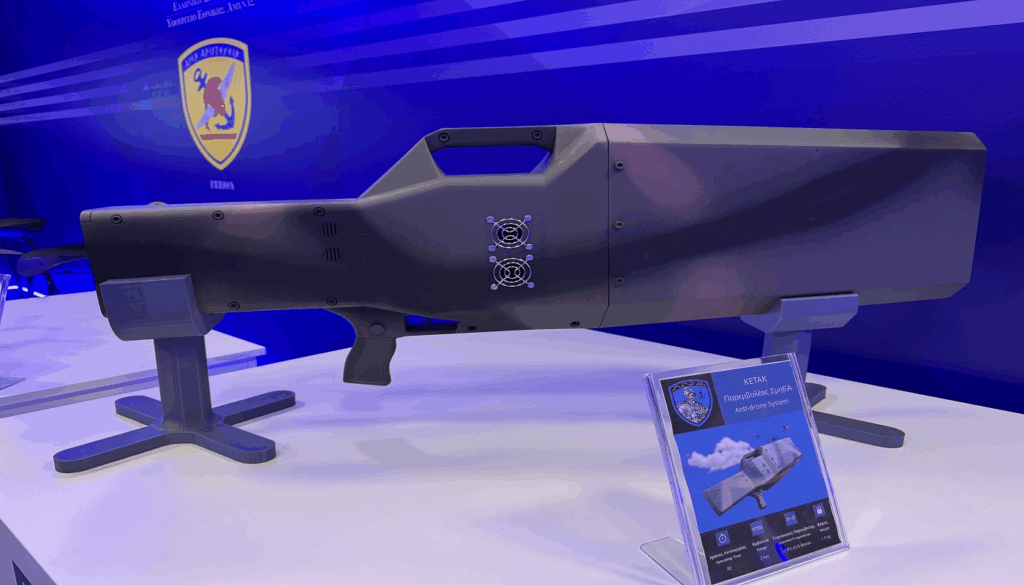
The portable Anti-Drone system was designed for immediate response to unmanned threats by a single operator, prioritizing mobility and rapid deployment.
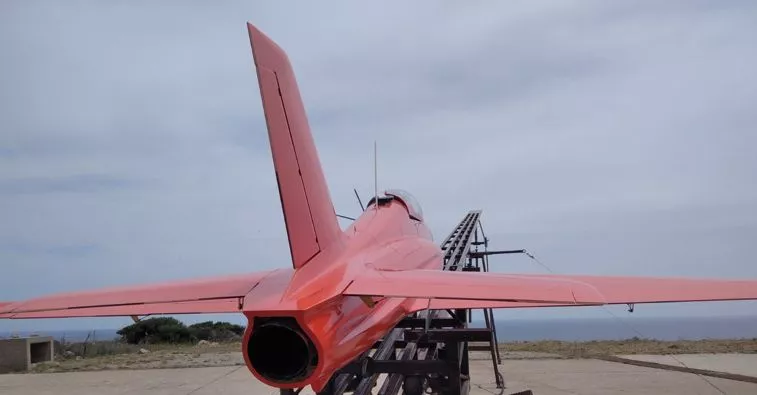
The jet-powered target UAV was developed for realistic air-defense training, simulating fast aerial threats at lower cost.
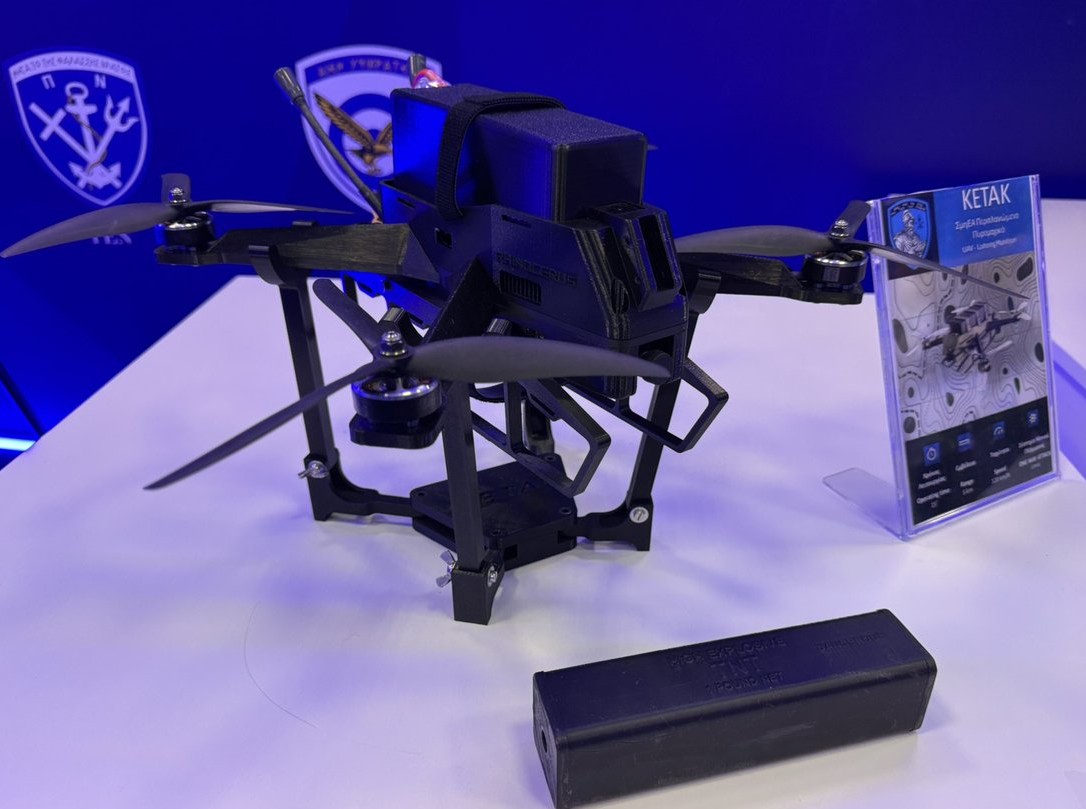
The autonomous aerial strike system uses UAV technologies for rapid deployment and precision effects against high-value targets.
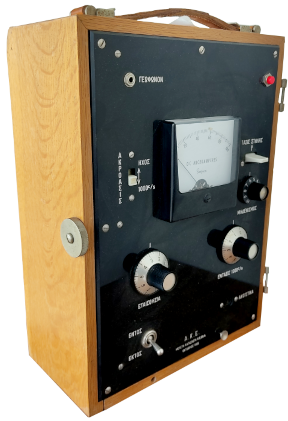
The Ground Vibration Detector was developed to identify unusual surface vibrations and alert the operator through visual and audible indications during demanding surveillance missions.
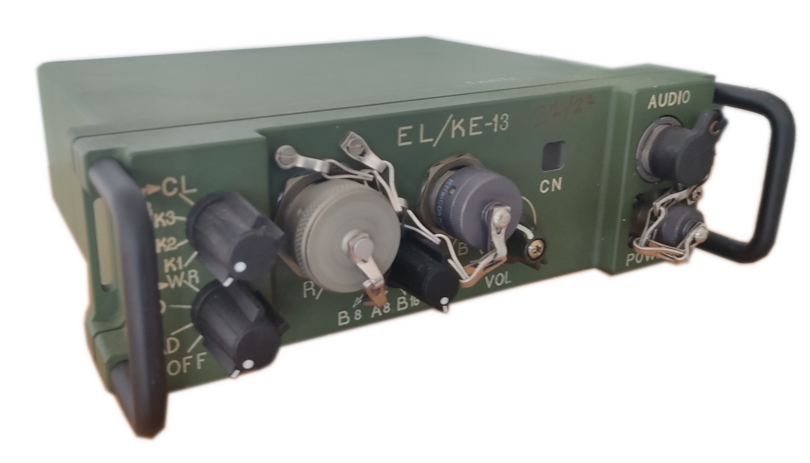
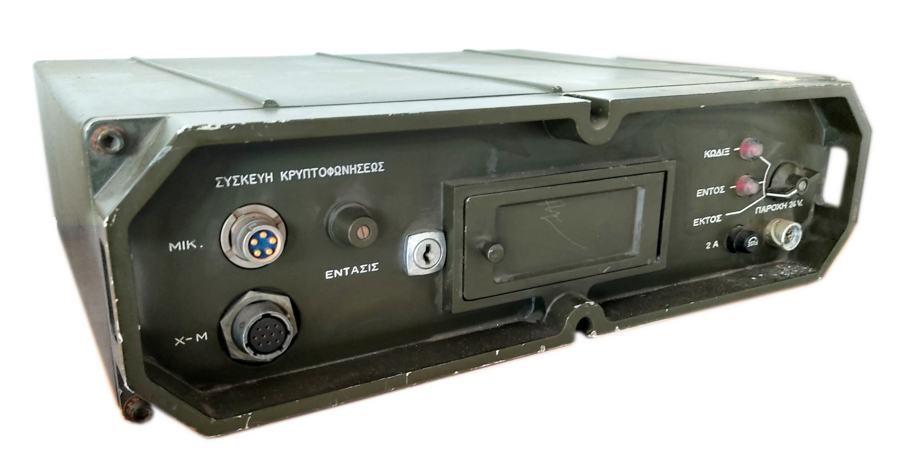
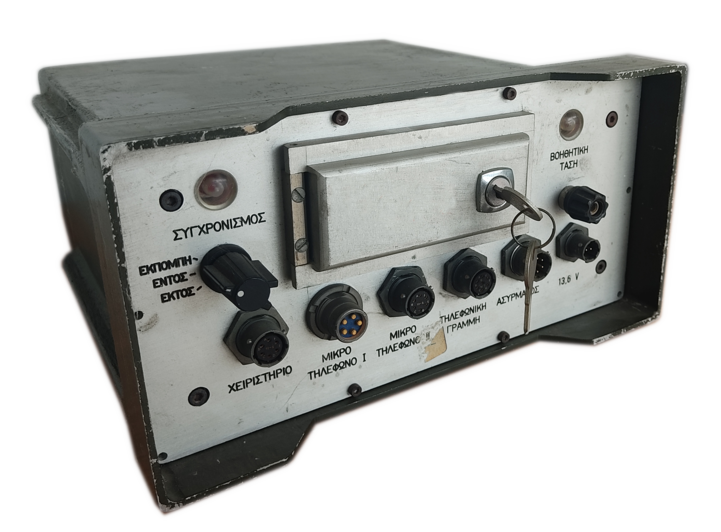
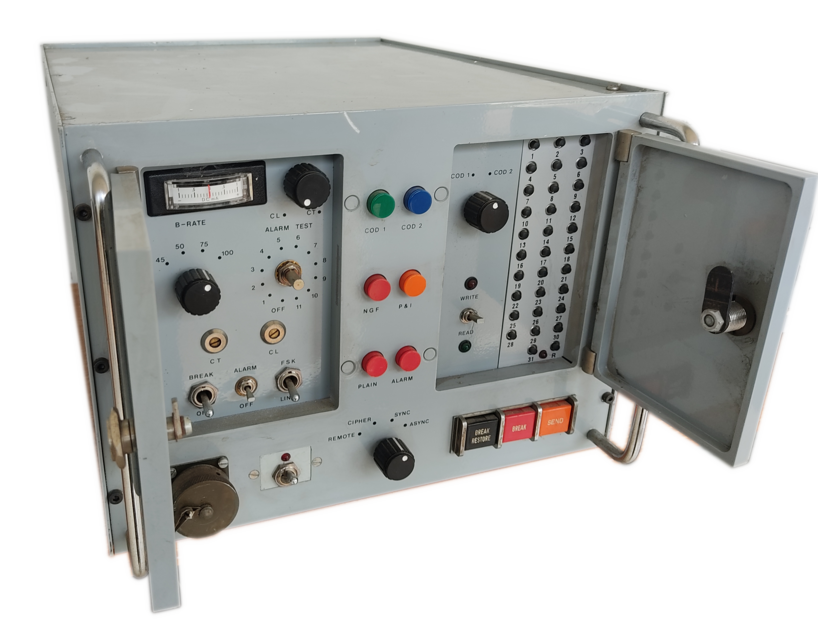
The ELKE-13 cryptophonic device supports protected voice communications, with emphasis on stable operation, interoperability, and field reliability.
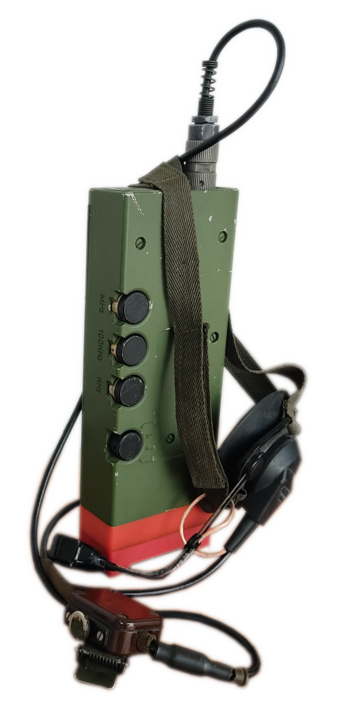
The Portable Radio Station was designed for flexible field communications, combining mobility, stable connectivity, and straightforward operation for small teams.
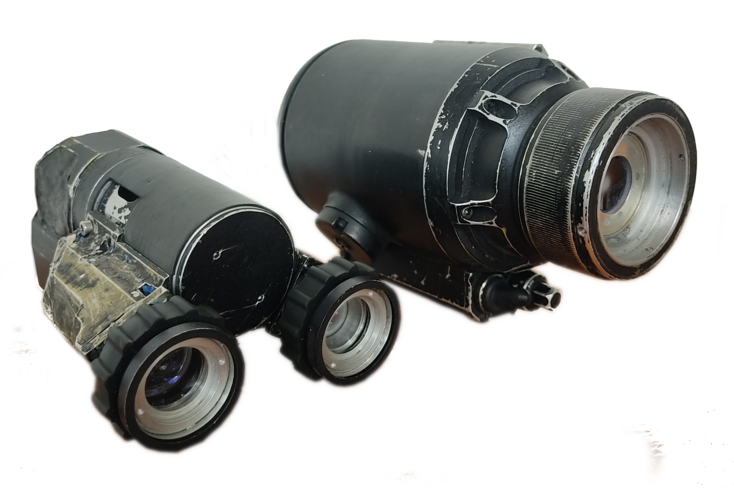
ONYPAS is a night aiming and observation device designed to improve field awareness in low-light conditions.
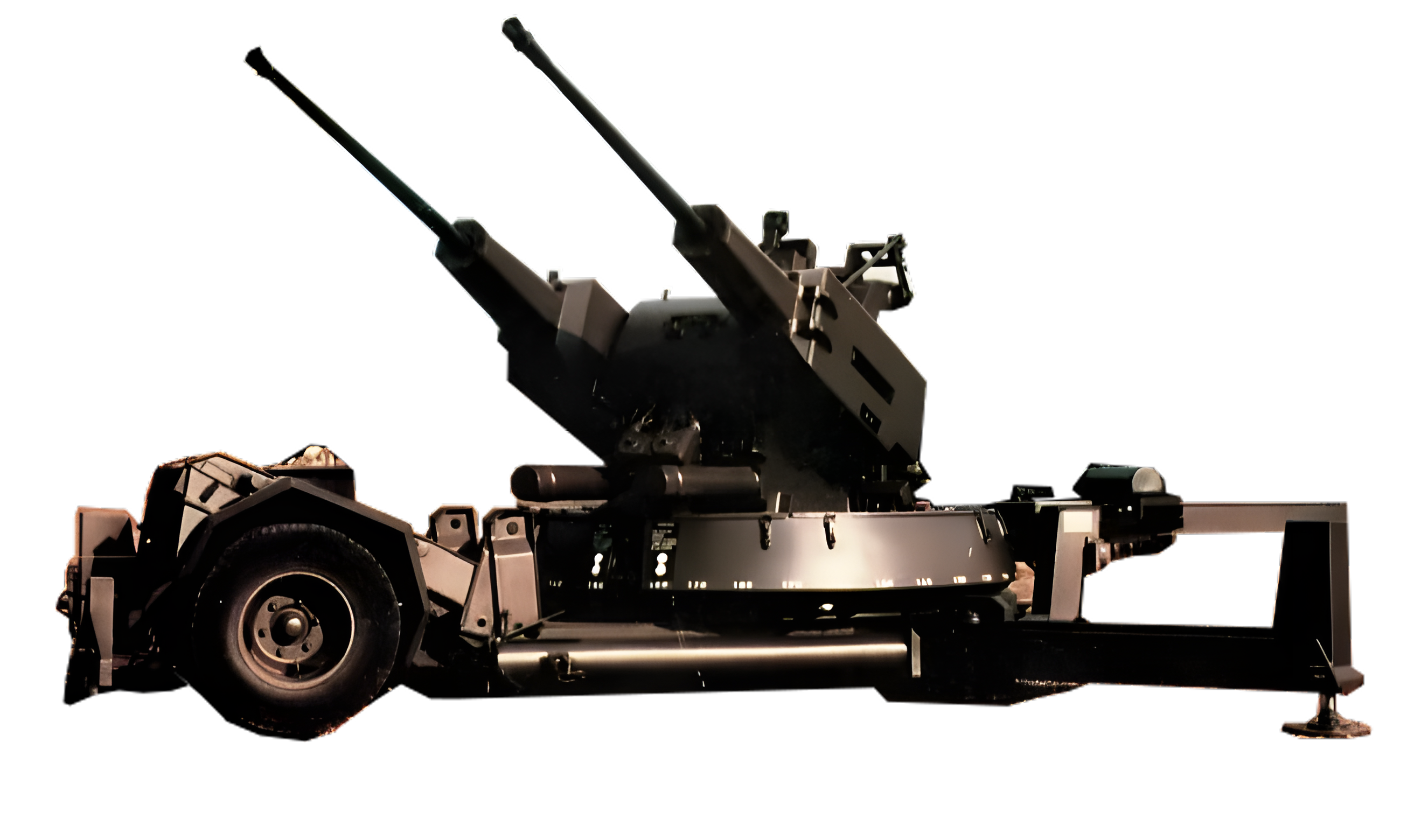
ARTEMIS-30 is a specialized technological development created to meet operational requirements that called for a tailored mechanical and electronic solution.
SEP Mortars 4.2 supports communications and coordination for mortar units, improving information flow and operational response.
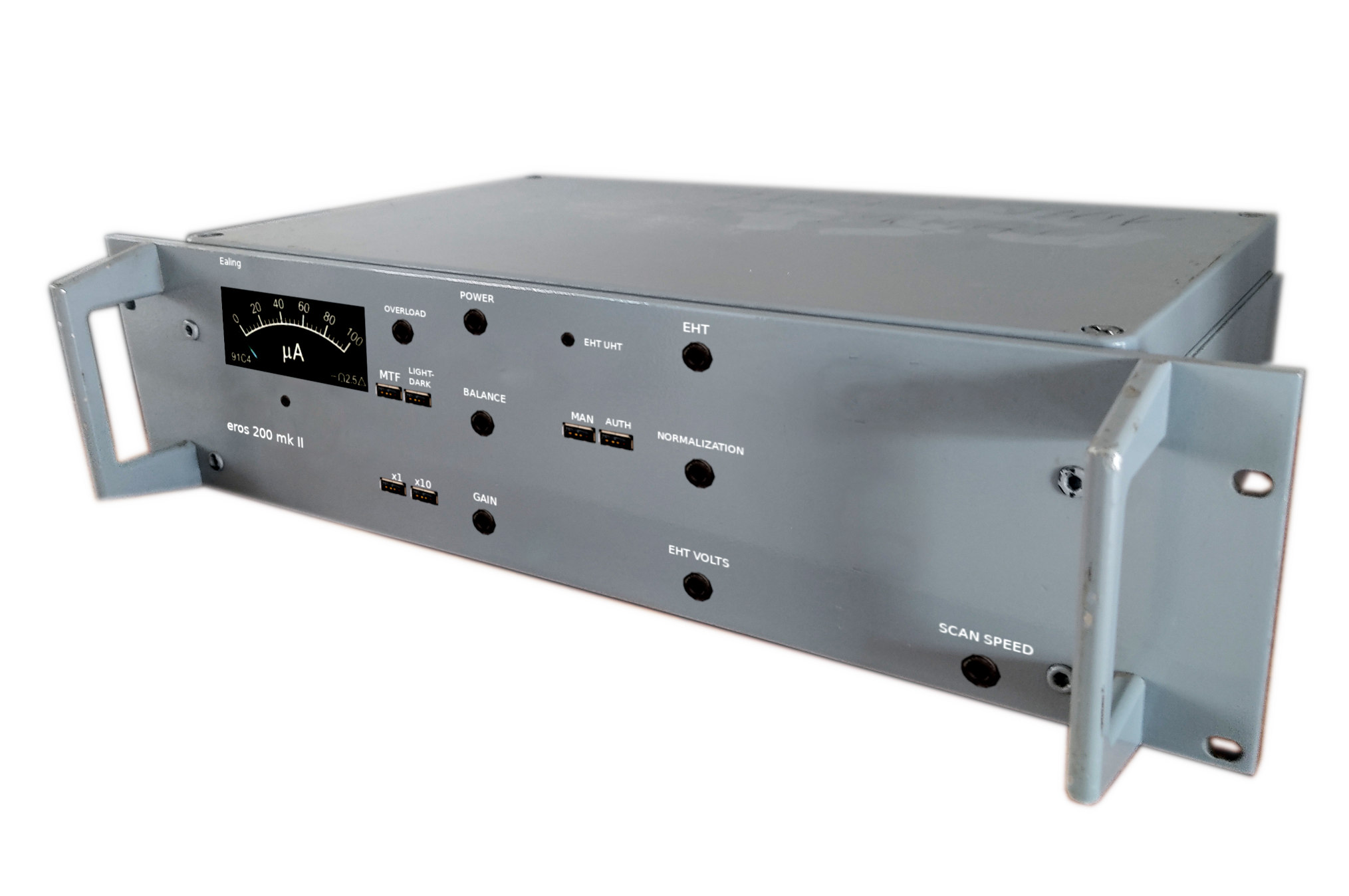
EROS-200 is a special field application developed with emphasis on durability, reliability, and adaptation to varied operational requirements.
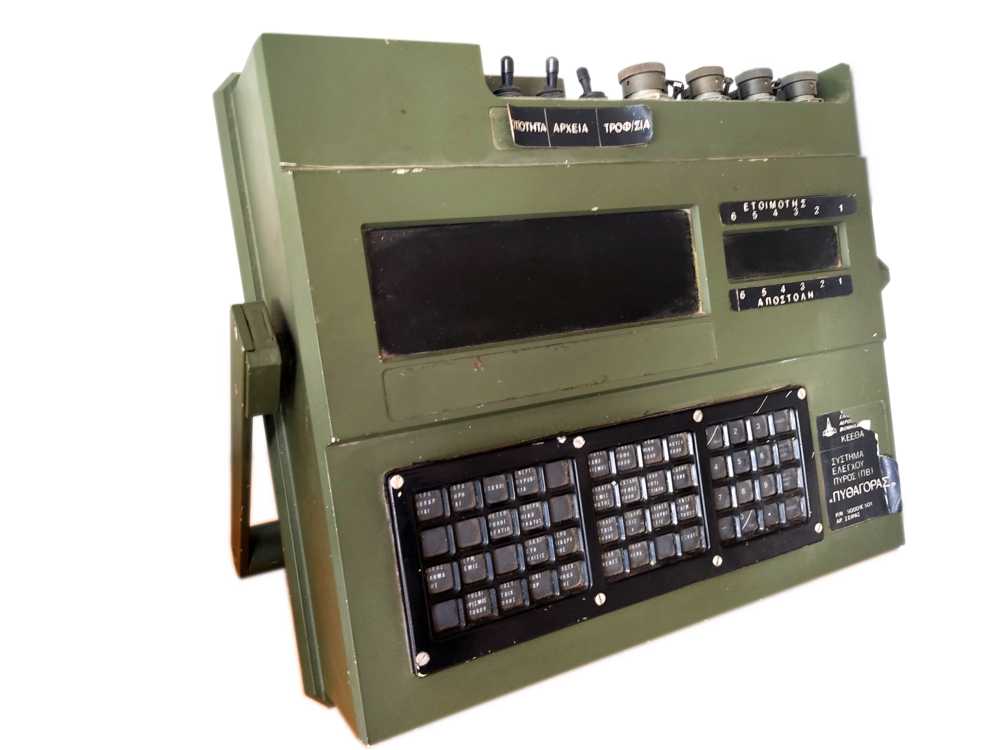
SEP PYTHAGORAS PB was developed to support artillery communications and coordination, with emphasis on accuracy, reliability, and interoperability.
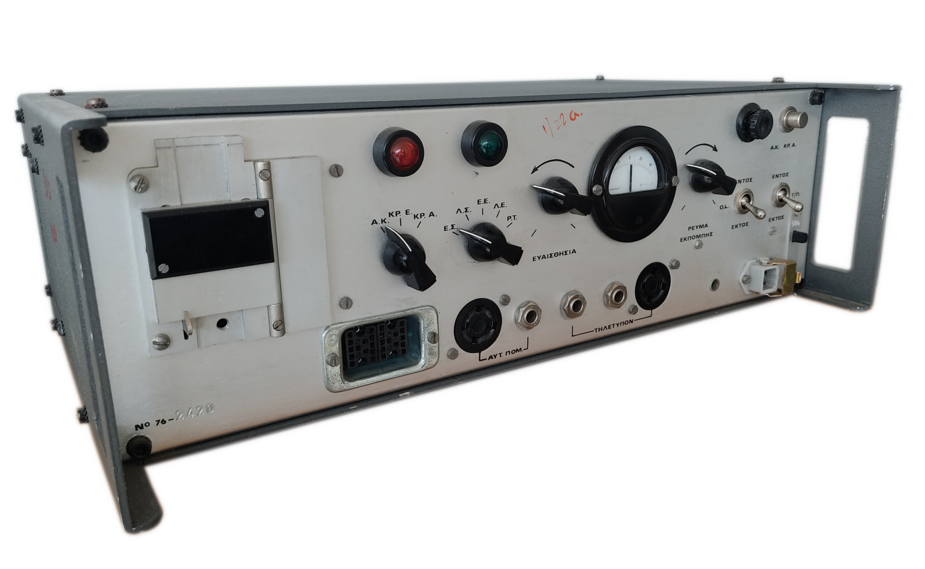
This digital narrowband cryptophonic device uses linear prediction techniques to support protected voice transmission over limited bandwidth.
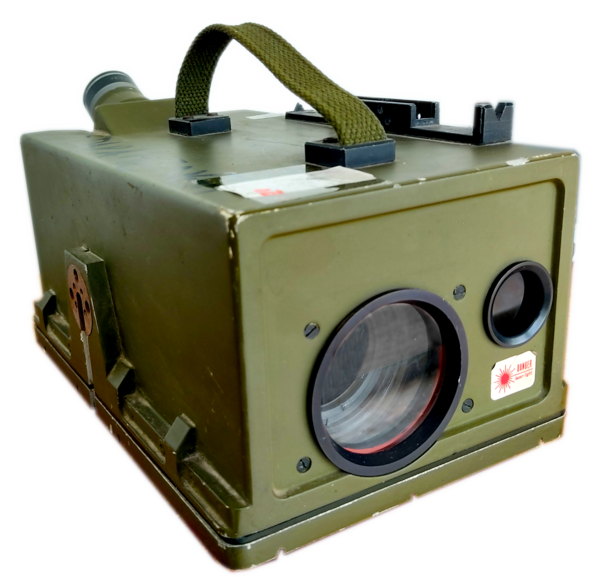
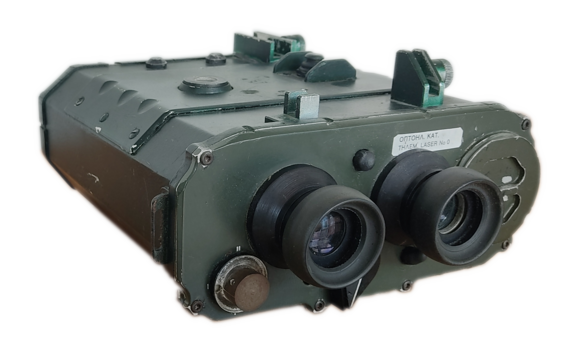
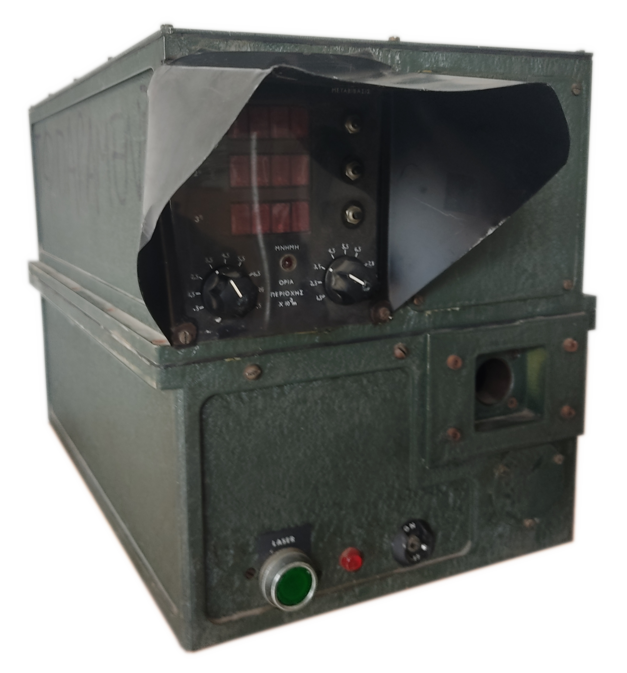
The POLYPHEMOS Artillery LASER Rangefinder was designed for accurate distance measurement and artillery targeting support under real field conditions.
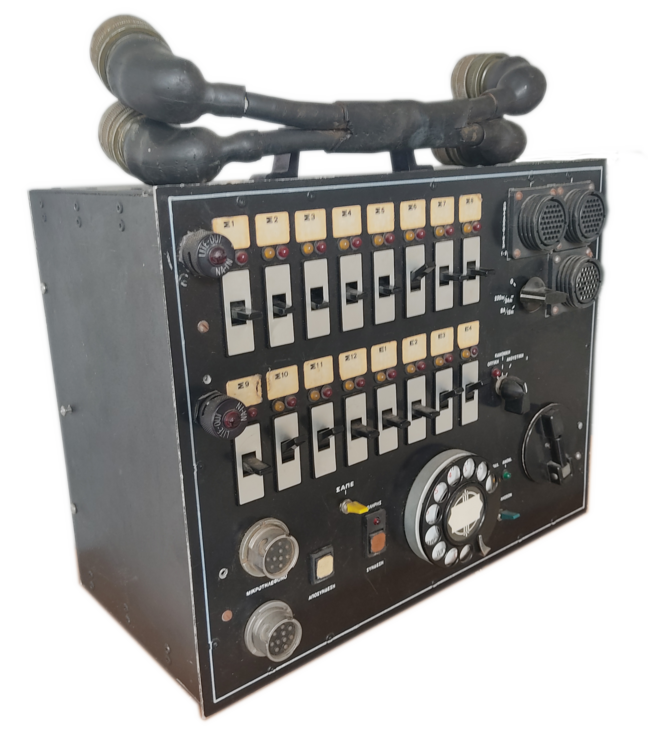
The EL FW-11 Field Switchboard was designed for reliable wired interconnection of units during field deployment and rapid setup.
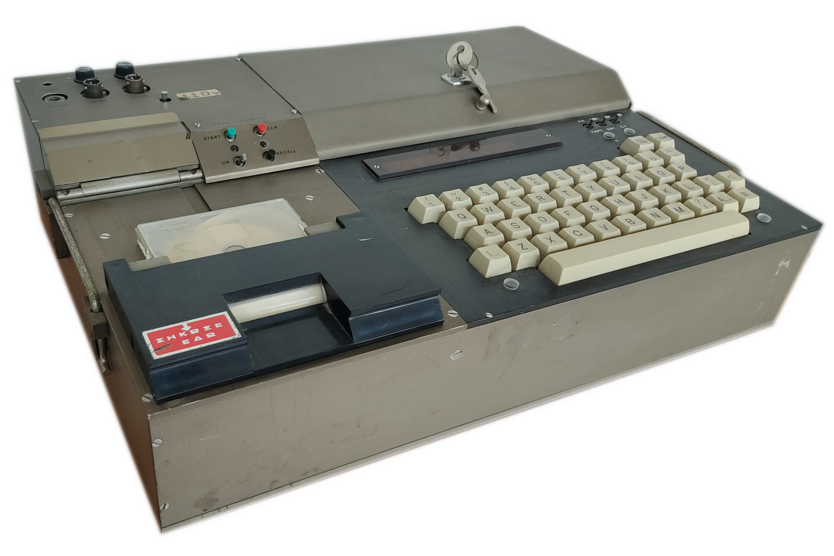
The DE-59 cryptographic device was developed to protect communications and data, prioritizing stable operation and practical field use.
The Artillery Marking Instrument was developed to support checking, alignment, and identification procedures for artillery equipment in the field.
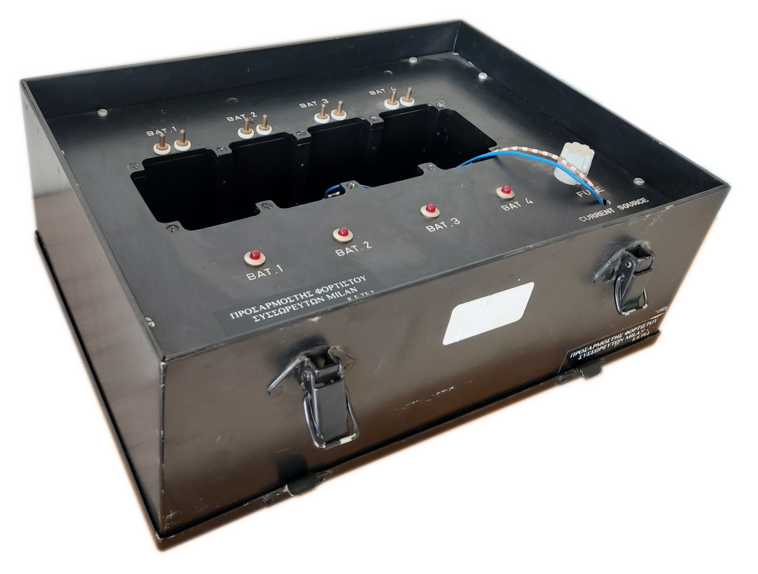
The A-T MILAN dry-cell charger was designed for reliable charging and battery support for anti-tank systems in both field and facility environments.
The National Cryptophonic Device was developed for digital voice processing and secure transmission over wideband VHF/FM networks.
The EL_CK-17 cryptographic device supports secure information exchange in demanding environments where communications reliability is critical.
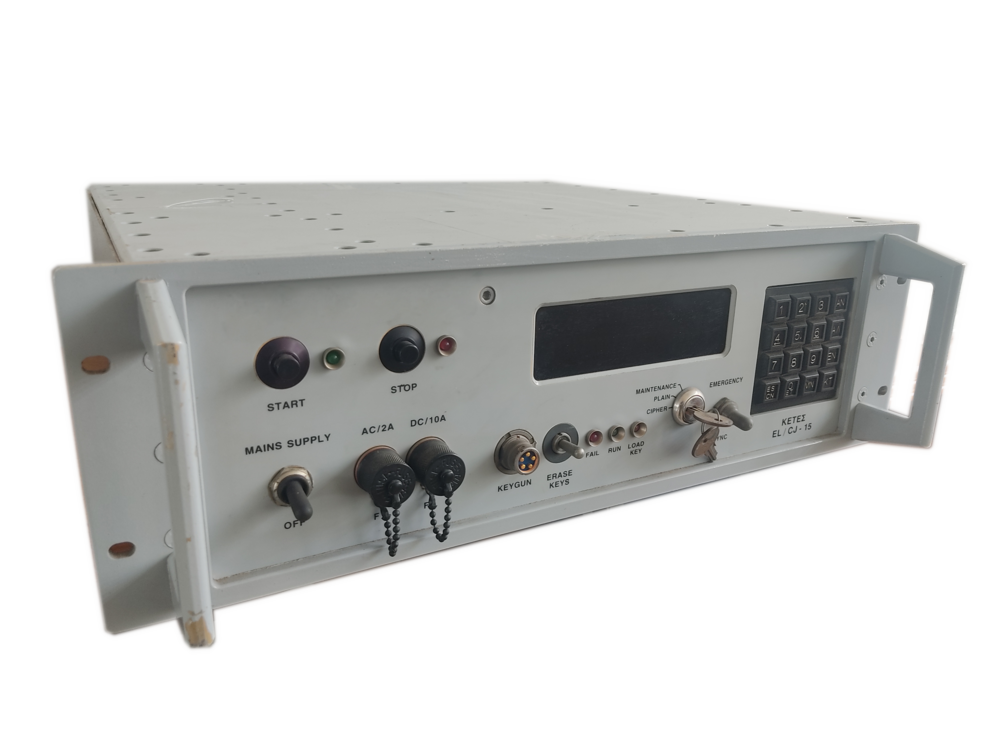
The ELCJ-15 CELT is an online cryptographic device for protected real-time communication, emphasizing reliability and interoperability.
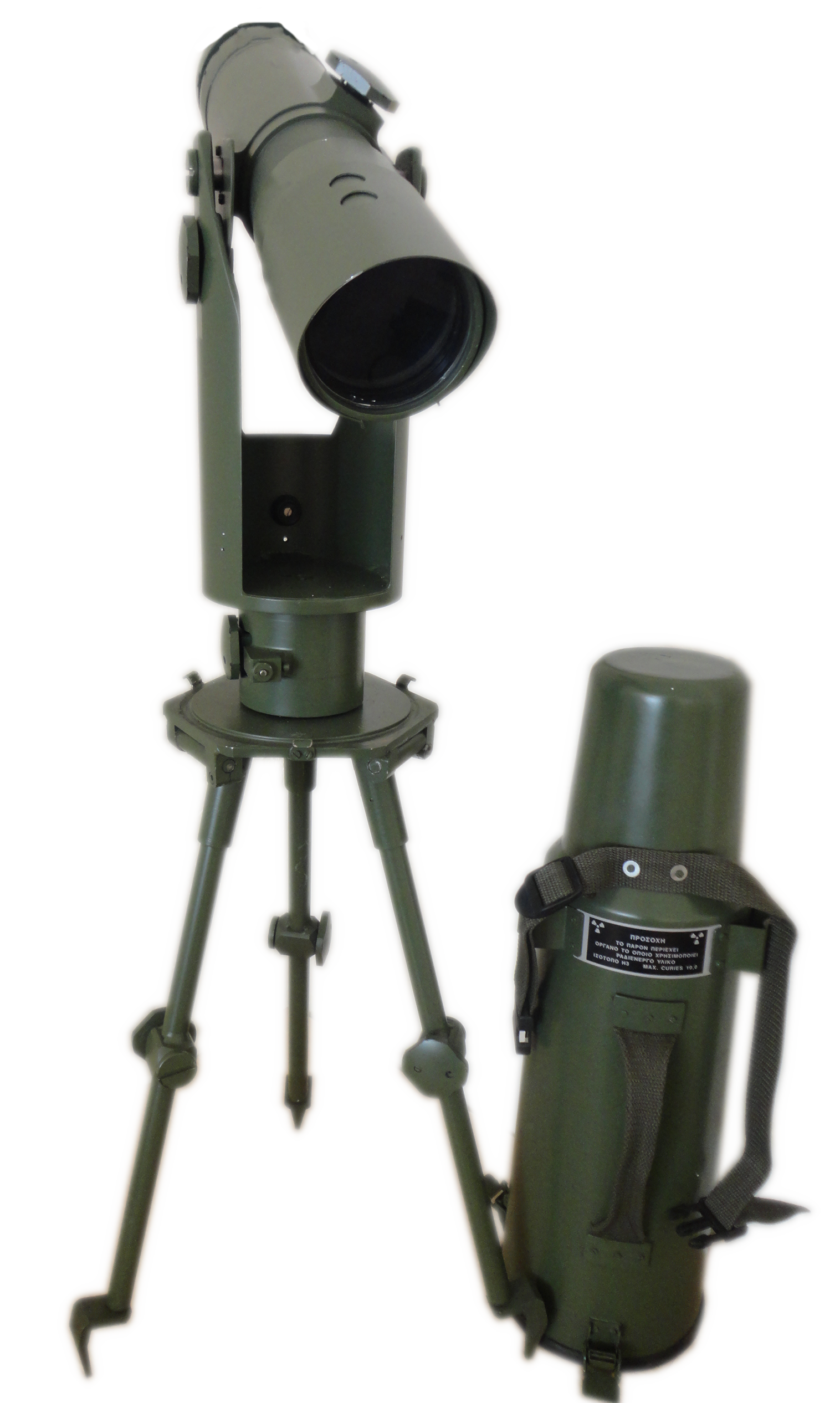
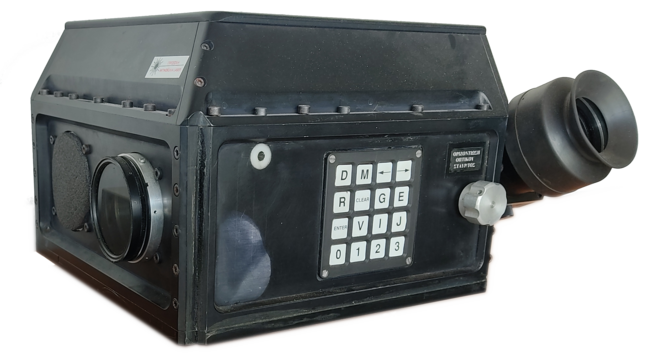
The PZ-PV Laser Sight improves observation and aiming with accurate optical support designed for demanding field conditions.
The EL/CK 13 cryptographic device supports protected message transmission and evolved into reliable offline and remotely operated communications solutions.
The 106 mm recoilless rifle sighting system was developed to improve aiming accuracy and extend the practical value of existing weapon systems.
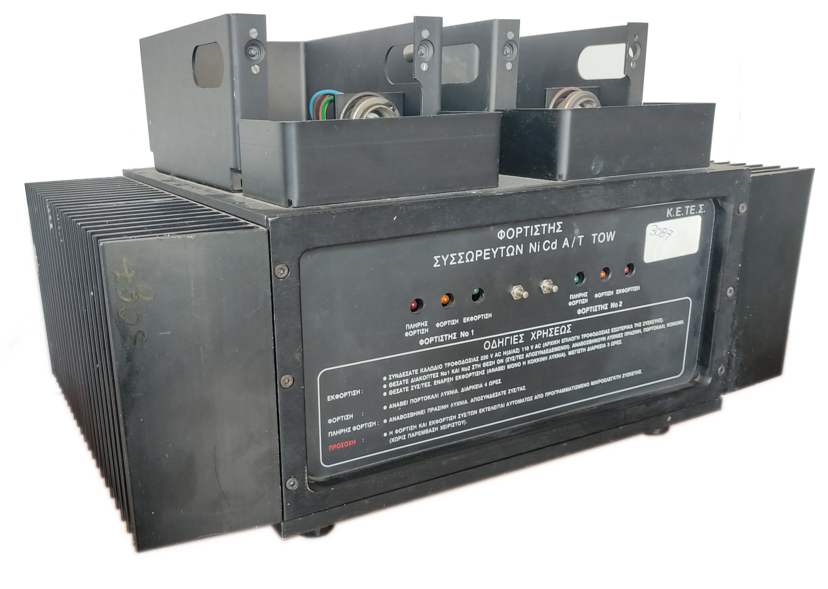
The A-T TOW battery charger was developed for reliable technical support of anti-tank systems, emphasizing safety and availability.
Atrapοs is a KETAK special application for demanding operational scenarios, designed around reliability, adaptability, and practical field use.
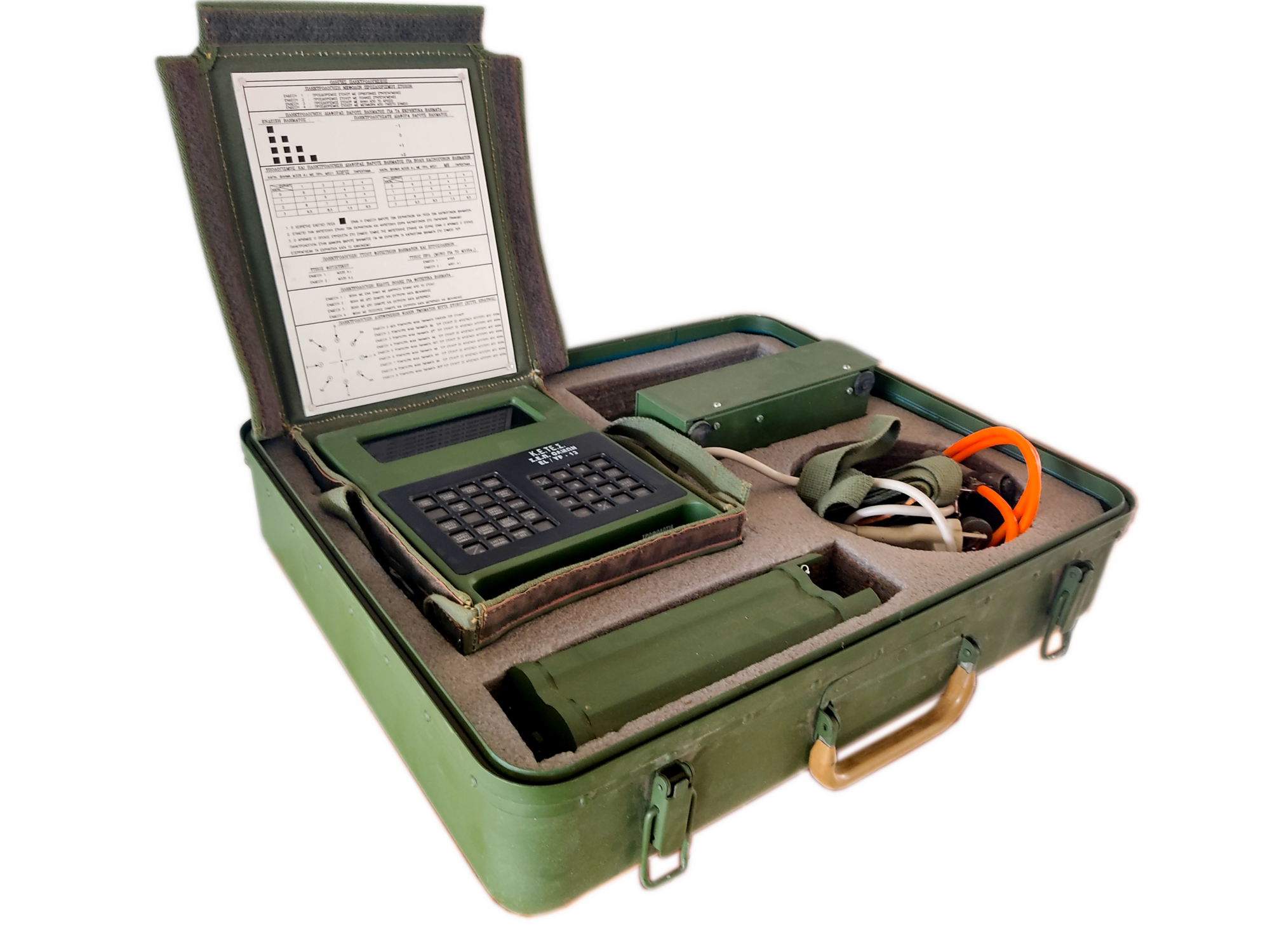
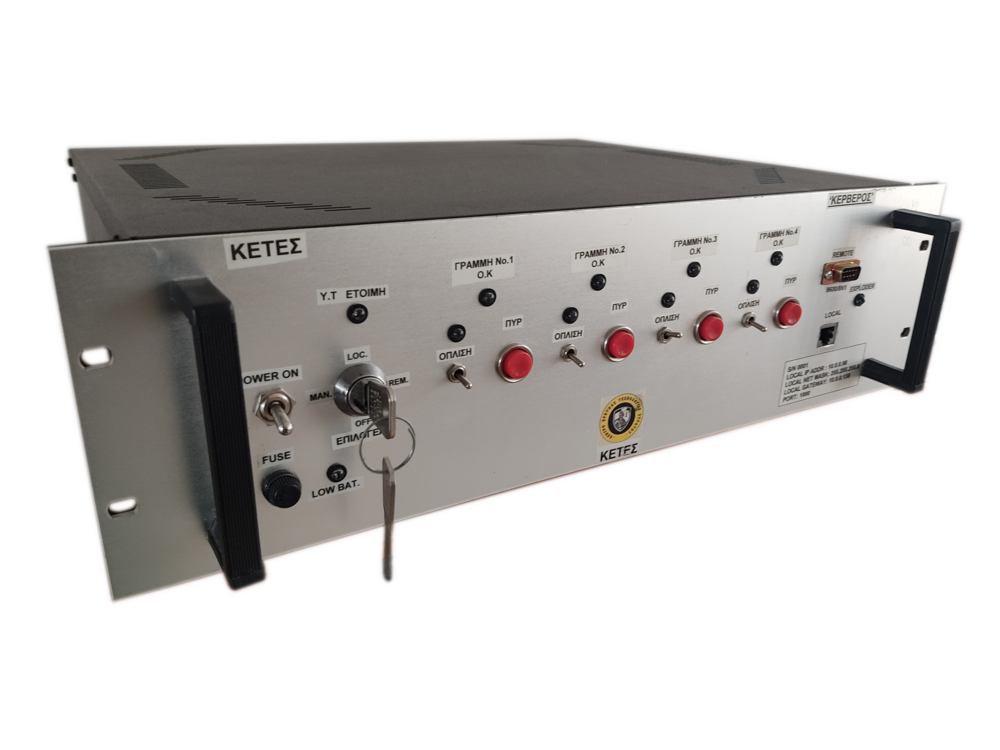
KERBEROS is a controlled explosive initiation device designed for safe, controlled, and reliable activation during specialized missions.
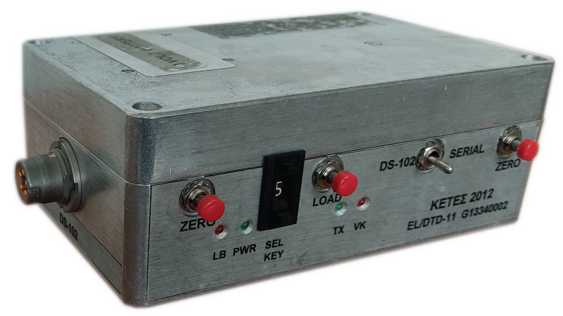
ELDTD-11 is a key distribution device supporting organized and secure handling of cryptographic material in operational environments.
Rest Crypto was developed as a secure data and voice transmission system, emphasizing interoperability and stable operational performance.
The Artillery Rangefinder was designed for accurate distance measurement and improved observation, with durability for demanding operating conditions.
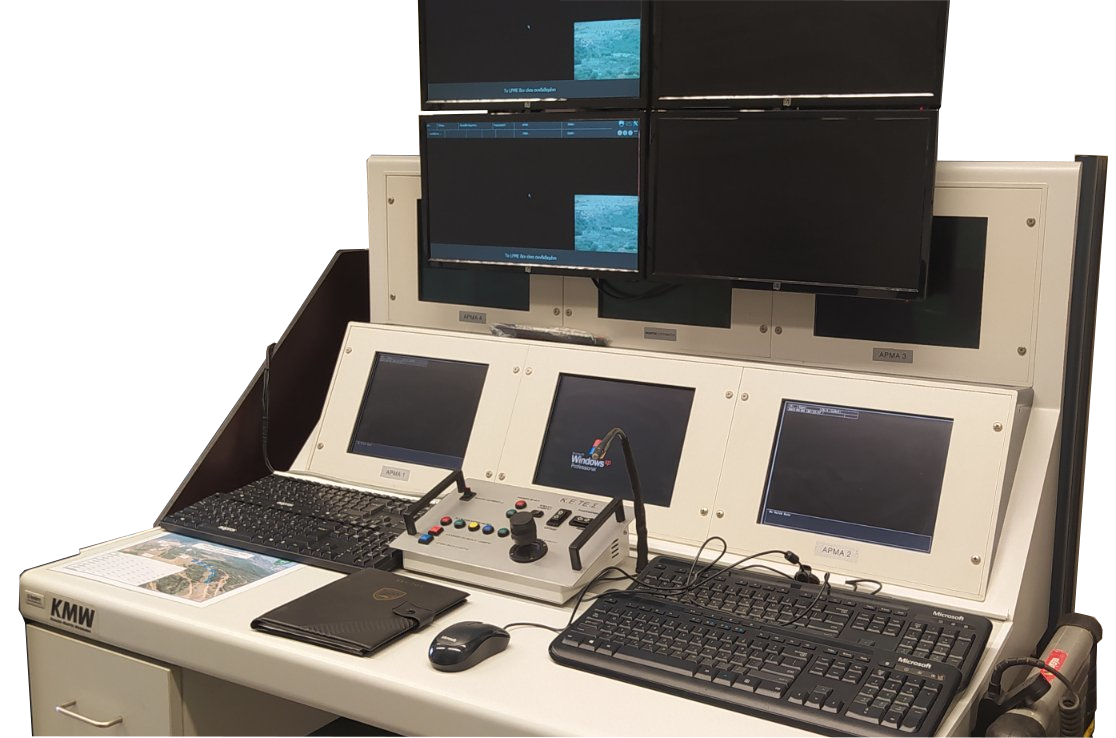
LFME is a tank-fire monitoring system designed to record, evaluate, and support training or firing-control procedures.
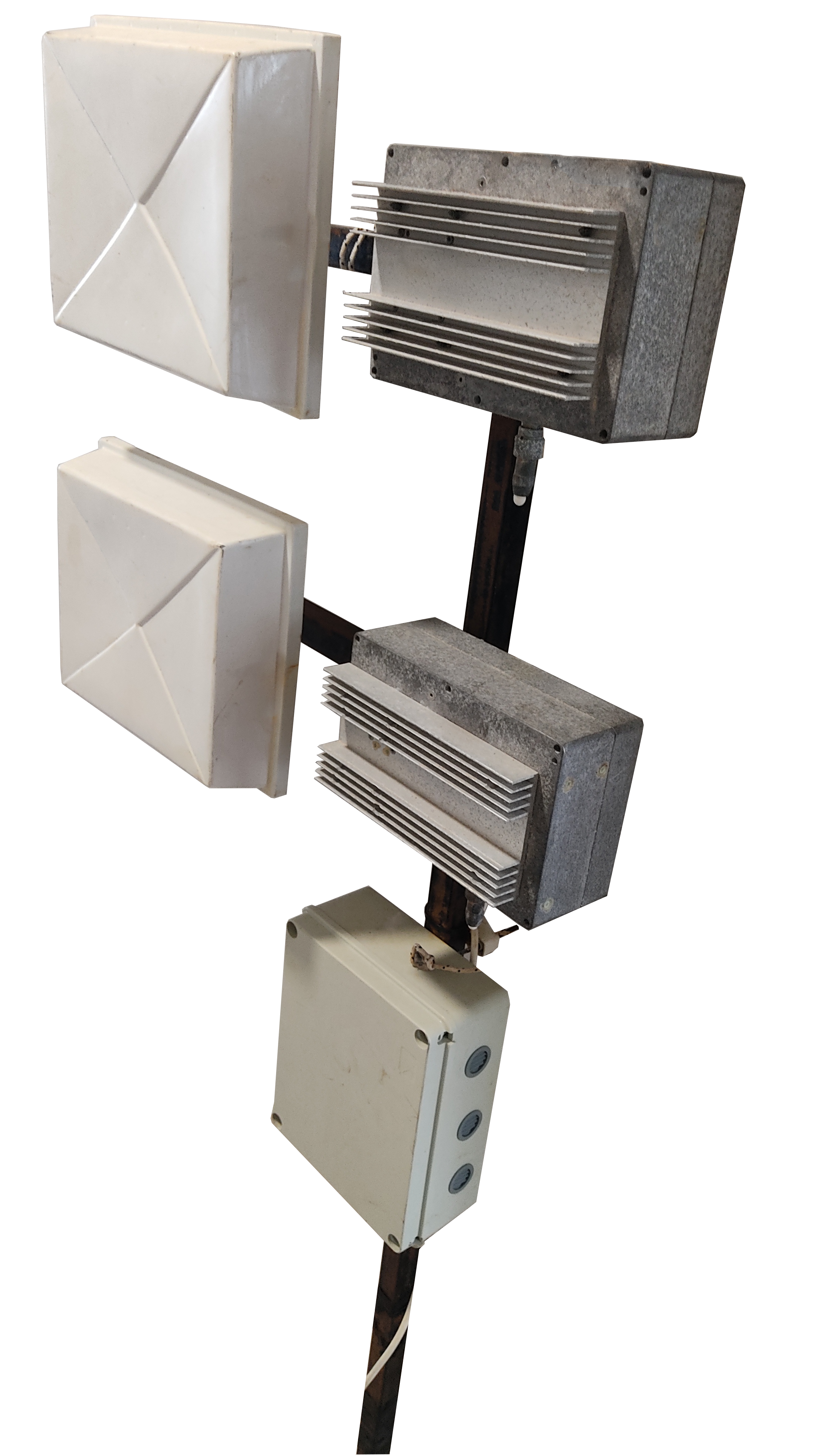
The fixed 360° UAV and GPS jammer was designed to protect areas from unmanned threats through controlled signal interference.
NG-11 generates truly random sequences for cryptographic systems, supporting the creation of strong and reliable code material.